

LASER SAFETY TAKES CONCRETE STEPS FORWARD – THE INDUSTRY GATHERED AT LMI AB
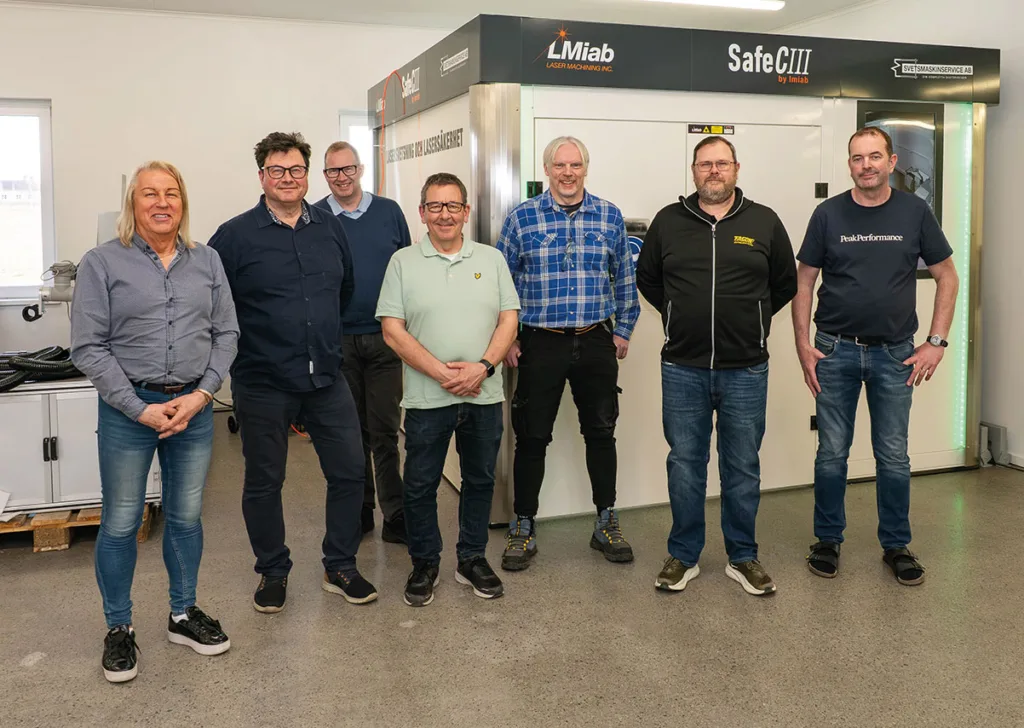
On April 13–14, 2026, representatives from industry, organizations, and authorities gathered at LMI AB in Nås, Dalarna, for the Laser Group’s Laser Safety Meeting Part III. The meeting marks a clear shift in laser safety work – from overarching discussions to concrete tools, structures, and joint industry initiatives.
Over two intensive days, technical reviews, practical sessions, and working meetings were combined with a focus on creating more unified and quality-assured laser safety within Swedish industry.
“THE GREEN CARD” – TOWARDS A COMMON WAY OF WORKING
One of the key topics during the meeting was the development of a new “Green Card” – a tool for daily supervision and safe use of laser technology.
The ambition is to develop a structured and accessible support system that can be used directly in operations. Discussions included:
- Digital versus paper-based formats
- Adaptation to existing safety structures
- Content and control points
- Adaptation for different applications
Initially, focus was proposed on welding and cleaning applications, where safety requirements largely overlap. The work continues within a dedicated working group.
CHECKLISTS AND TRAINING – FROM IDEA TO IMPLEMENTATION
In parallel with the Green Card, work is ongoing on preventive checklists and related training materials.
A proposal for a web structure was presented with the goal of gathering knowledge and making it accessible to the industry. It was noted that checklists can be developed relatively quickly, while production of instructional videos requires additional resources and possibly external funding.
The work will be linked to AG32 to ensure anchoring and long-term quality.
NEW REGULATIONS FROM THE SWEDISH RADIATION SAFETY AUTHORITY
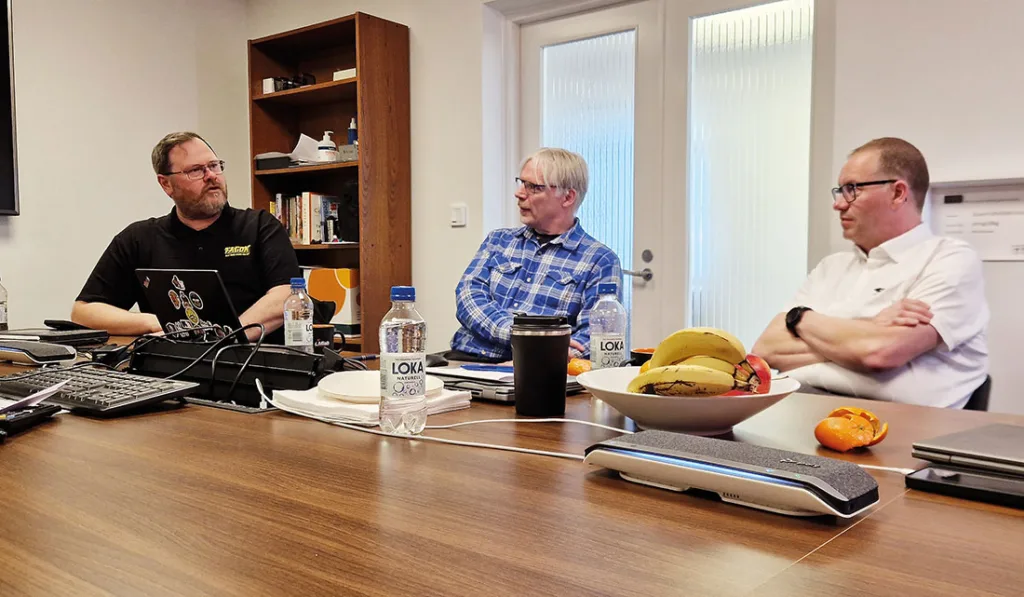
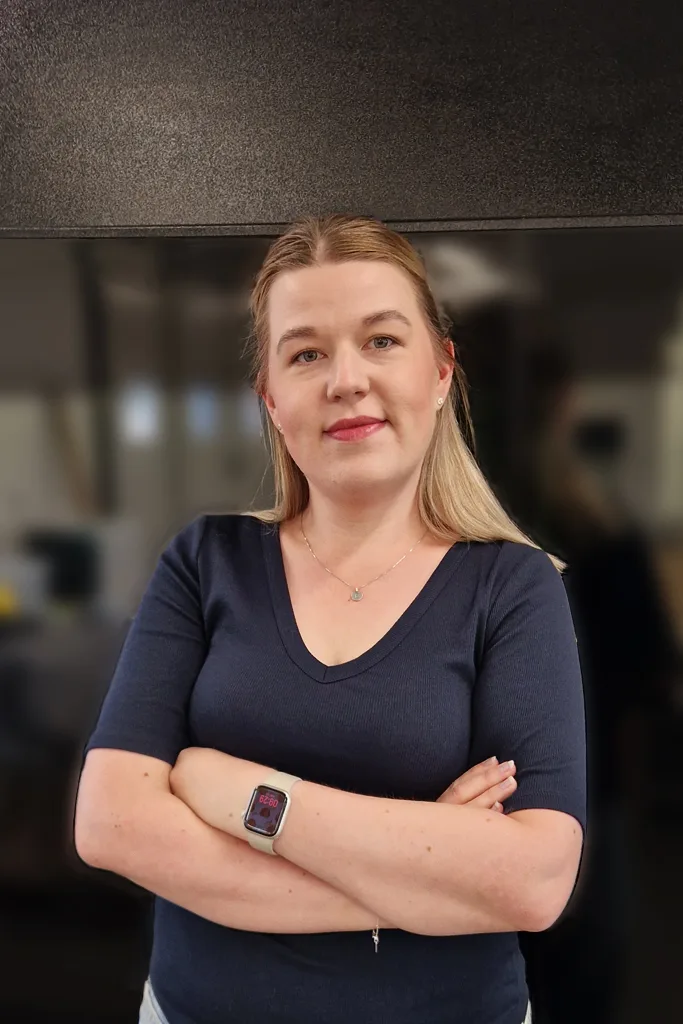
During the closing meeting, Larisa Mileshina from the Swedish Radiation Safety Authority (SSM) presented new regulations on non-ionizing radiation – SSMFS 2026.
The regulations include:
- Clarified notification requirements for aesthetic laser operations
- Increased possibilities for regulatory supervision
- Information initiatives targeting over 9,000 businesses
The background is an increase in reported injuries, often linked to improper use, insufficient training, or machine quality.
The discussion clarified that:
- Some Class 2 lasers may also be included in aesthetic applications
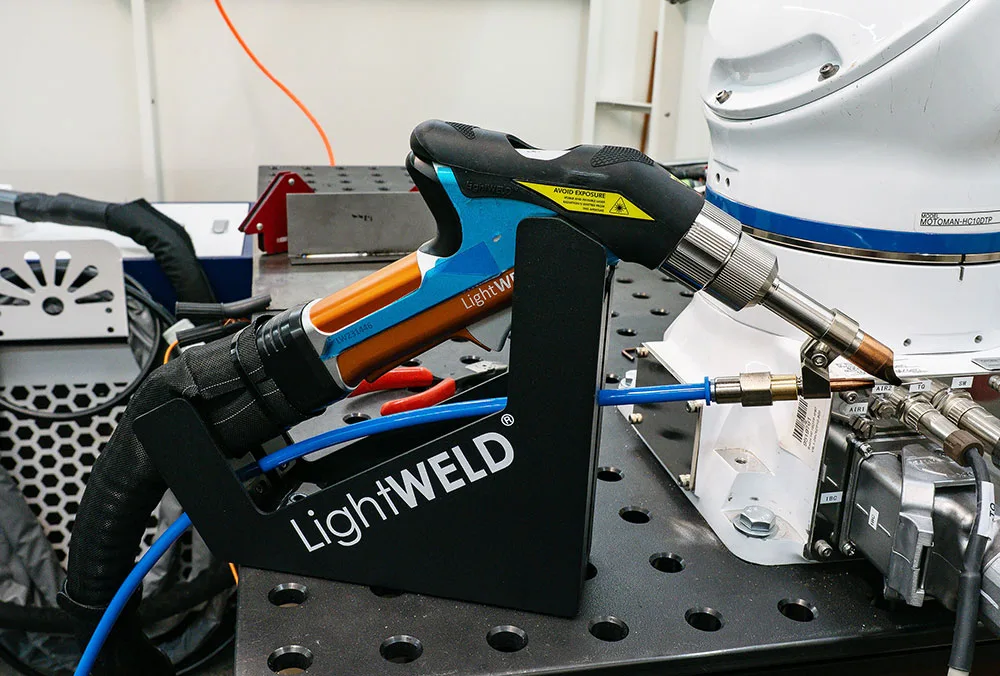
- Industrial handheld lasers are generally not covered by these specific requirements
CONCRETE NEXT STEPS
The meeting resulted in several clear actions and initiatives:
- Further development of the Green Card and related checklists
- Development of structure for training materials and videos
- Distribution of information via the Market Surveillance Council (Swedac)
Subject: Handheld lasers for material processing (welding/cleaning). Need for coordinated market surveillance to reduce serious risks. - Planning of working meetings and continued coordination
- Proposal for webinars targeting auditors and third parties
- Preliminary physical meeting in connection with Elmia on May 21
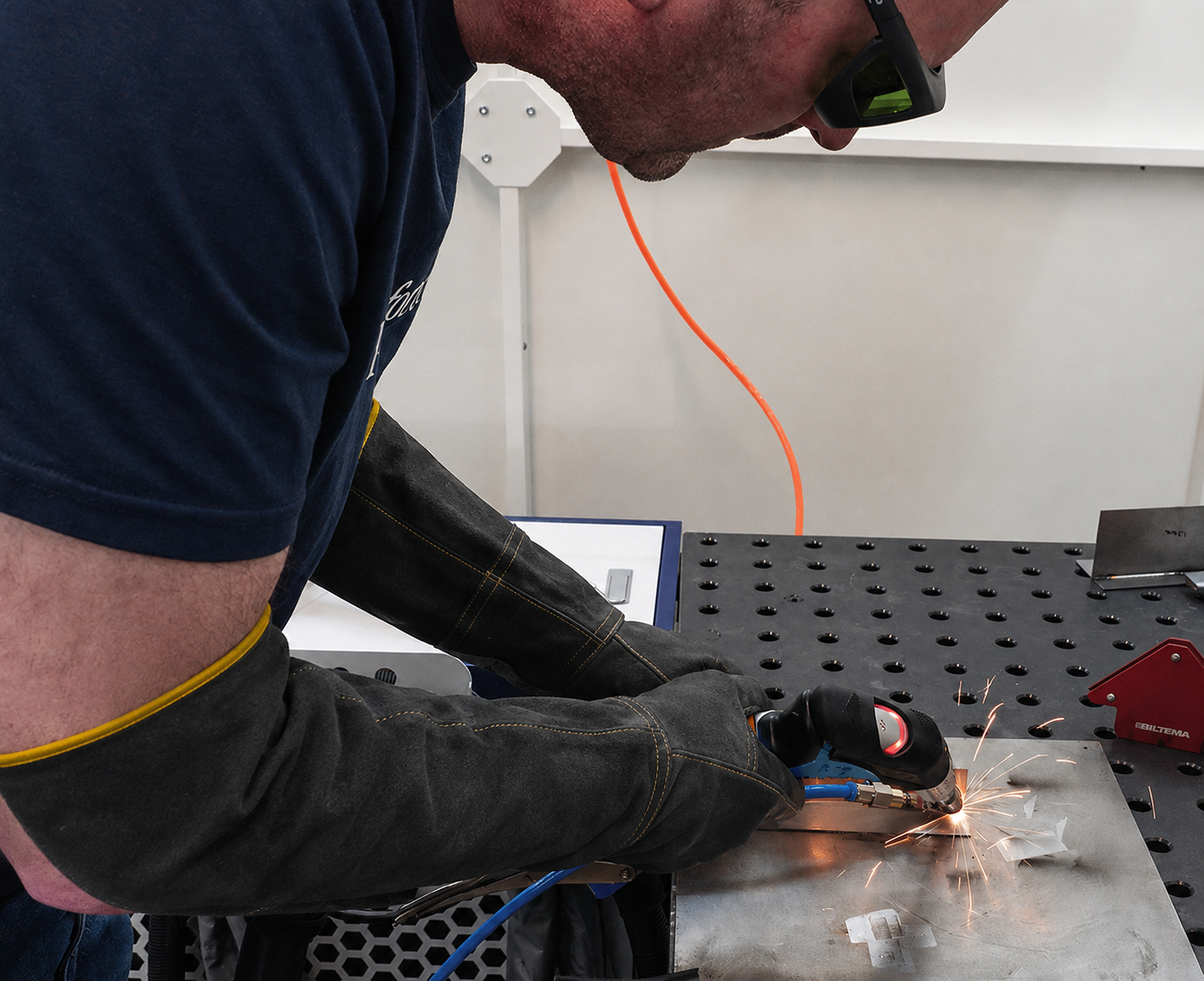
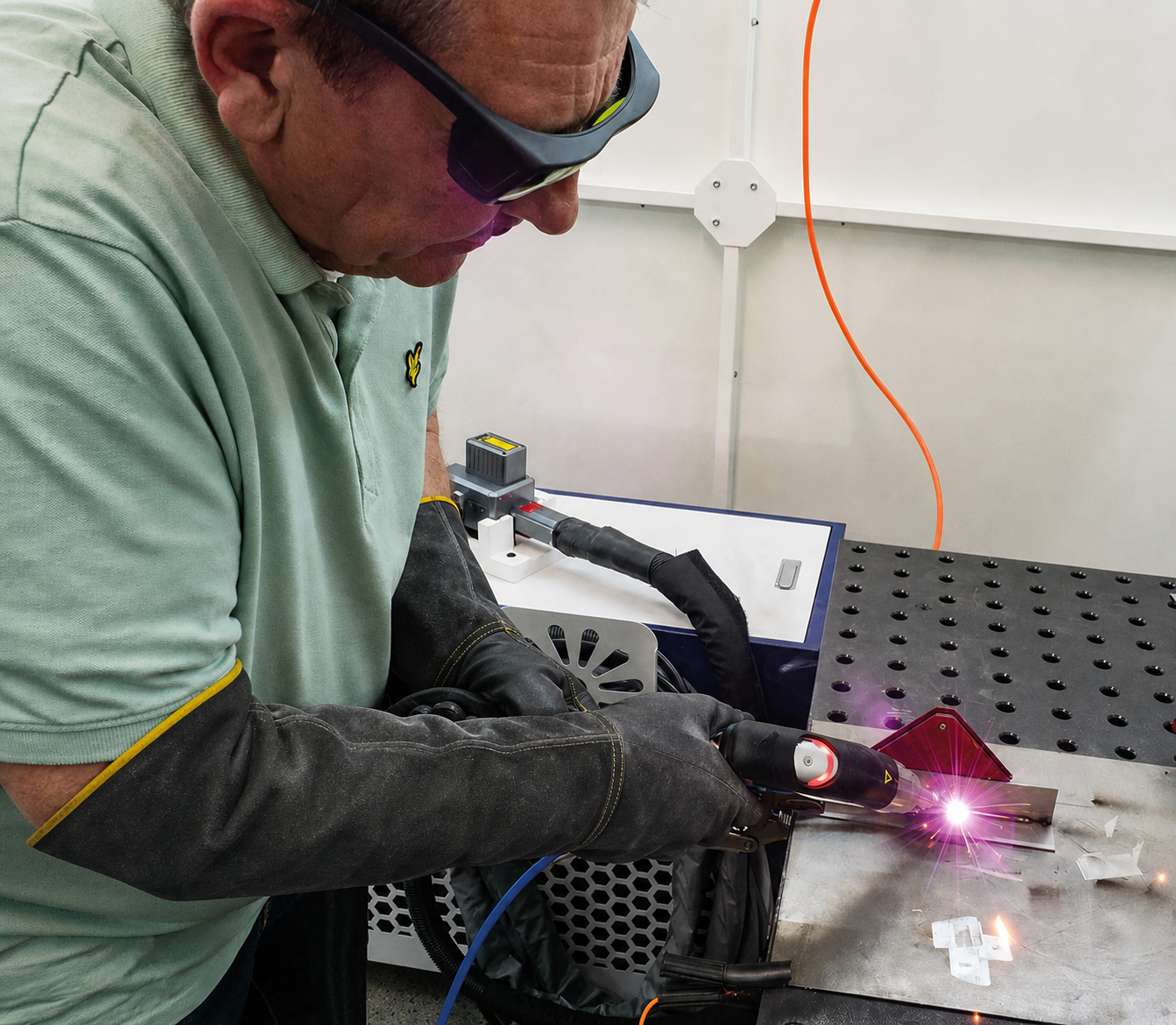
A key part of the meeting was the practical sessions, where participants had the opportunity to test and discuss applications in laser welding and cleaning, including handheld equipment.
This helped connect safety issues to real working environments and created a deeper understanding of risks and measures.
COLLABORATION DRIVES DEVELOPMENT
The Laser Group’s work is based on broad collaboration between industry, organizations, and authorities. By combining expertise from different fields, a shared foundation is created for structured and long-term development of laser safety.
Laser safety is no better than the competence of the personnel at the workplace – regardless of role, says Joakim Ekeroth (The Swedish Welding Commission).
LMI AB AS A HOST FOR DEVELOPMENT
As host, LMI AB contributed facilities, technical environment, and practical demonstrations. The company has extensive experience in industrial laser technology and actively works with issues related to safety, quality, and application.
CEO Tim Smith emphasizes:
“It is important that quality is ensured from the very beginning in a process like this.”
A CLEAR STEP TOWARDS A SAFER INDUSTRY
Laser Safety Meeting Part III shows that laser safety work in Sweden is entering a more concrete phase. With a focus on tools, guidelines, and collaboration, the conditions are being created for a more unified and effective safety approach.
The ambition is for the results to contribute to both national standardization and strengthened international competitiveness in the field.