Laser welding

Laser welding is an advanced joining process that combines high precision, high speed, and minimal heat input. The technology is widely used in industries where quality, repeatability, and production efficiency are critical.

Laser Welding – precision, speed and minimal heat input

Laser welding is a modern joining process used to fuse metallic materials with exceptional precision and controlled energy input. A high-intensity laser beam is focused into a very small spot, generating extremely localised heat that melts the material and forms a strong, clean weld.

Because the energy input is highly concentrated, the process creates a very small heat-affected zone (HAZ), reducing distortion and preserving the material’s mechanical properties.

In many applications, laser welding can be performed without filler material, although filler wire can also be used depending on the application.


What is a laser welding machine?

A laser welding machine uses a laser source – typically a fiber laser or Nd:YAG laser – to join materials with very high precision.

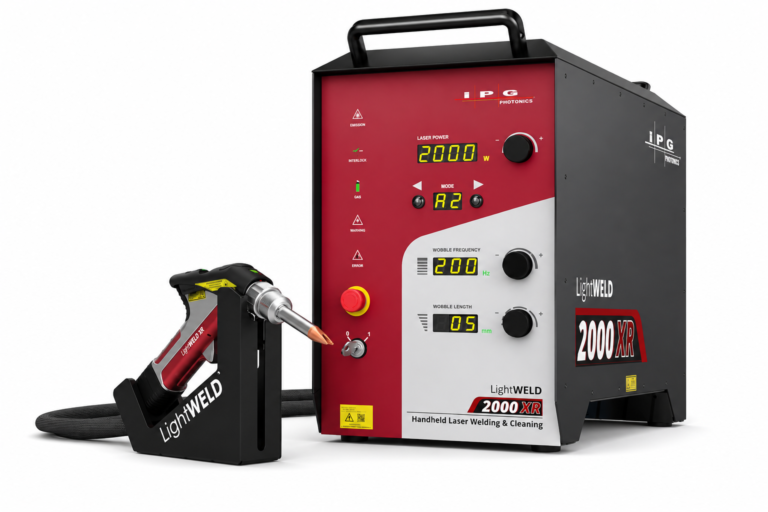
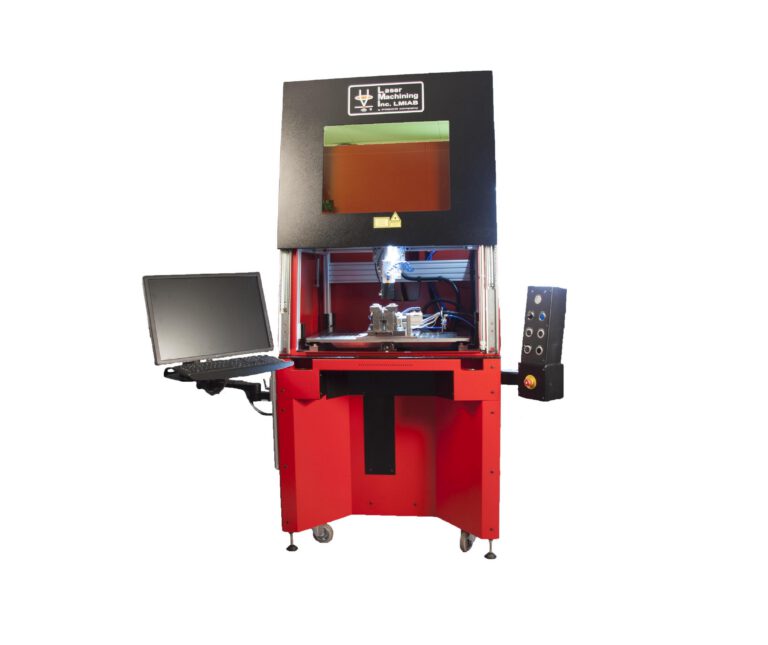
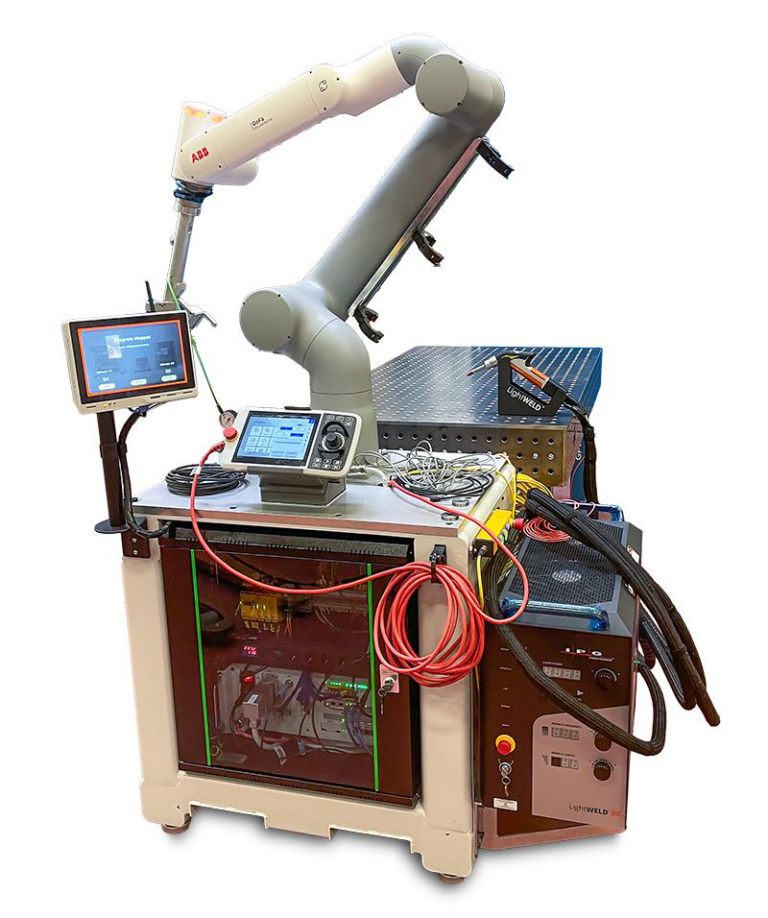
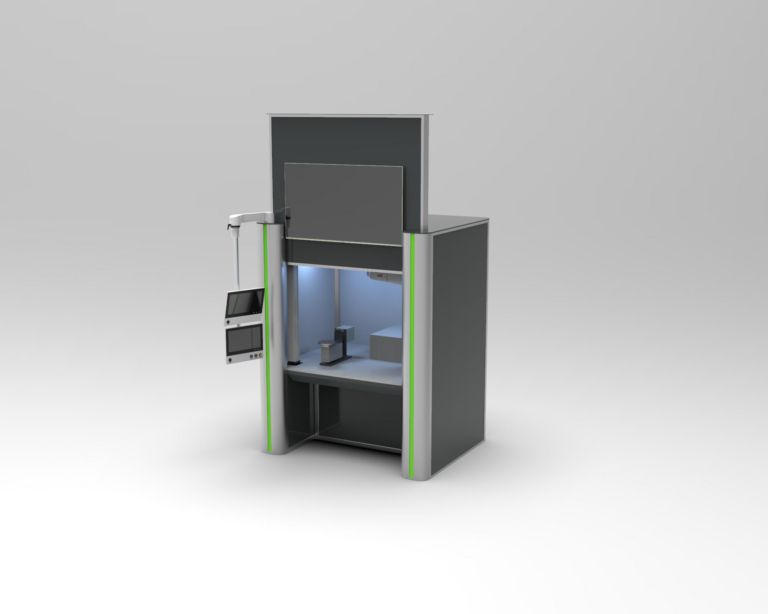
Systems may be configured as:

  • standalone welding stations

  • robotic welding cells

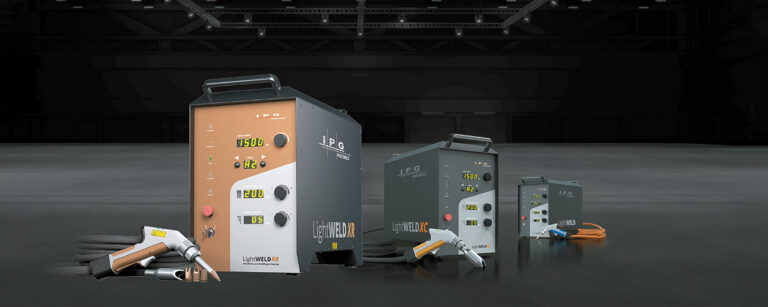
  • handheld laser welders

  • integrated systems within automated production lines

Laser welding is widely used in industries where precision, repeatability, and productivity are essential.


Advantages of laser welding

Laser welding offers several advantages compared with conventional welding methods:

  • Extremely high precision

  • High welding speeds and shorter cycle times

  • Minimal heat input and reduced distortion

  • Strong and dense welds with low porosity

  • Reduced need for filler material

  • Efficient and resource-saving process


Typical applications

Laser welding is used across many industries, including:

  • Electronics and medical technology

  • Automotive manufacturing

  • Aerospace engineering

  • Tool and machine manufacturing

  • Component repair and restoration

  • Welding of thin sheets and advanced alloys


Quality and process control

High weld quality is ensured through several inspection and monitoring methods, such as:

  • Visual inspection

  • X-ray or ultrasonic testing

  • Magnetic particle inspection

  • Dye penetrant testing

Weld quality also depends on correct laser parameter settings, focus position, welding speed, and material compatibility.


Safety and working environment

Laser welding systems must be operated with proper safety measures due to the use of high-energy laser radiation.

Typical safety precautions include:

  • laser safety eyewear

  • enclosed laser safety cells

  • laser-rated walls or curtains

  • ventilation and fume extraction systems

Compared with conventional welding methods, laser welding generally produces less smoke and particulate emissions, contributing to a cleaner working environment when safety guidelines are followed.


Choosing the right laser welding system

Selecting the right laser welding machine depends on several factors:

  • material type and thickness

  • required weld quality and tolerances

  • production volume and automation level

  • need for robotic or multi-axis integration

Choosing the right system can significantly improve productivity, quality, and manufacturing efficiency.

This site is registered on wpml.org as a development site. Switch to a production site key to remove this banner.