


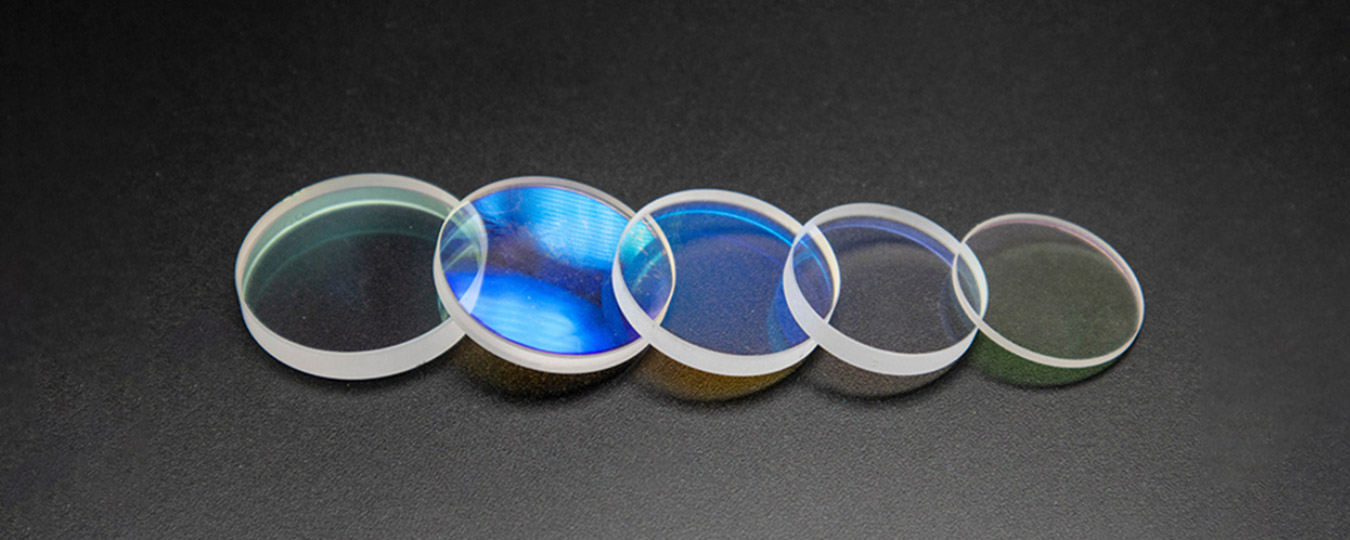
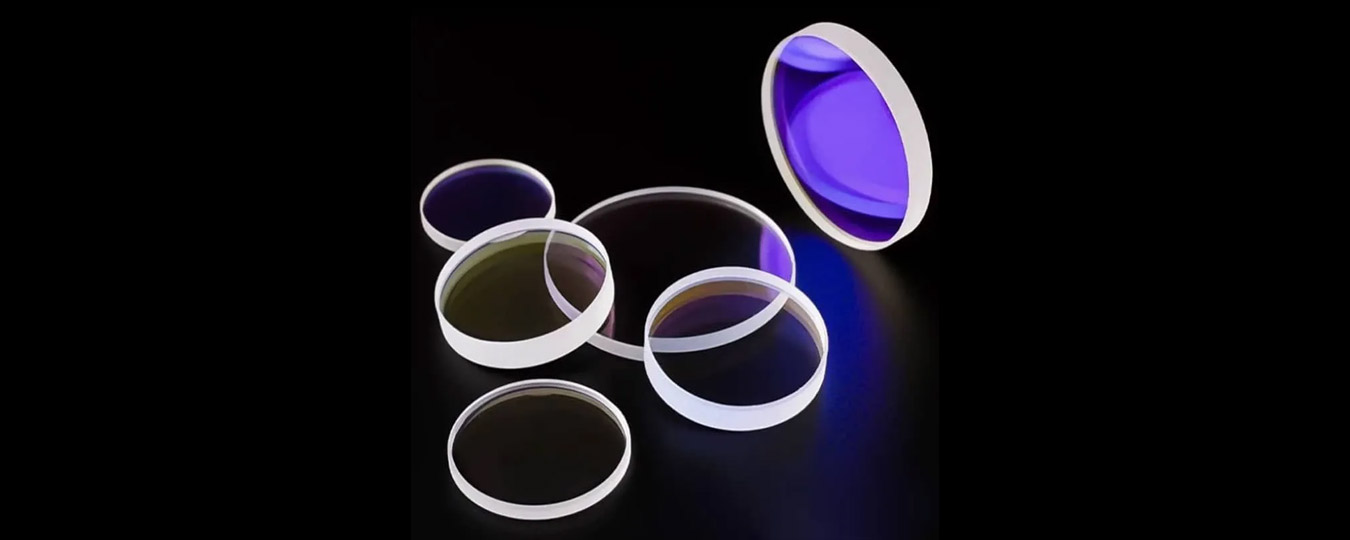
Protective windows are a critical component in laser systems, designed to protect sensitive optics from contamination, heat, and process debris. By shielding lenses and mirrors, they help maintain stable laser performance and extend the lifetime of optical components.
Protective Windows for Laser Machines
Protective windows are small but extremely important components in the optical path of a laser system. Their purpose is to protect sensitive and considerably more expensive optics from particles, fumes, metal spatter and other contamination generated by the laser process.
LMI AB supplies protective windows for laser cutting machines and other industrial laser systems from a wide range of manufacturers and in many different dimensions and configurations. We can also help identify the correct protective window based on the machine, cutting head or existing part number.
Contact us about protective windows
A Small Component That Protects Expensive Laser Optics
In a laser cutting head, the laser beam passes through a number of optical components before being focused onto the workpiece. The focusing and collimating optics are sophisticated and expensive components that must remain clean in order to function correctly.
The protective window acts as a replaceable optical barrier between the laser process and the more sensitive optics inside the cutting head.
During cutting, contaminants such as:
- metal spatter
- fumes and vapours
- dust
- particles
- process residues
can reach the optical system of the cutting head.
The purpose of the protective window is to prevent these contaminants from reaching more expensive optical components. It is therefore designed as a consumable that can be inspected and replaced much more easily and economically than, for example, the focusing optics.
A relatively inexpensive protective window can therefore protect optical components that are considerably more expensive to repair or replace.
Contamination Can Cause Absorption and Heating
Cleanliness is essential in an optical laser system.
When dust, particles or other contamination accumulates on the surface of a protective window, some of the laser energy can be absorbed instead of passing through the optic. This can cause local temperature increases and thermal stress in the protective window.
The problem can develop gradually. A protective window that is initially only slightly contaminated may experience increasing thermal load during continued operation.
Possible consequences include:
- reduced transmission of the laser beam
- an unstable cutting process
- reduced cutting quality
- increased temperature in the cutting head
- damage to the coating or surface of the protective window
- in severe cases, damage to downstream optics.
It is therefore important to detect and address a contaminated or damaged protective window before more serious problems occur.
High Laser Powers Place Greater Demands on Protective Windows
Modern fibre laser systems operate at increasingly high laser powers. As laser power increases, the requirements for optical quality, cleanliness and correct handling also become more demanding.
Even very small contaminants can become problematic when high levels of laser energy pass through the optics. A protective window must therefore have the correct optical properties for the laser source and cutting head in which it is used.
For high-power laser systems, preventive inspection, correct handling and cleanliness become particularly important aspects of maintenance.
The cost of preventive maintenance should also be considered in relation to the potential consequences of optical damage. A protective window is a consumable component – the optics behind it are not.
The Correct Protective Window Is About More Than Diameter
Two protective windows may look identical while having very different optical properties.
Several parameters must correspond to the laser system and cutting head, including:
- diameter
- thickness
- optical material
- surface quality and flatness
- coating
- laser wavelength
- laser/power rating
- position within the optical system of the cutting head.
For fibre laser systems, optical materials and anti-reflective coatings are normally selected for the relevant laser wavelength range. The correct AR coating reduces unwanted reflections and helps maintain high transmission through the protective window.
Protective windows should therefore always be selected according to the specifications of the cutting head and laser manufacturer – not solely by their dimensions.
Upper and Lower Protective Windows
Depending on the design of the cutting head, several protective windows may be positioned at different locations within the optical path.
A lower or process-side protective window primarily protects the optics from contamination originating from the cutting process.
Some cutting-head designs also incorporate an upper or optics-side protective window, providing additional protection for the internal optics and helping reduce the risk of contamination reaching sensitive optical components, including during servicing or replacement of the process-side window.
It is therefore important to identify both the correct protective window and the position within the cutting head for which it is intended.
When Should a Protective Window Be Inspected or Replaced?
There is no universal replacement interval that applies to every laser system.
Service life depends on factors including:
- material and material quality
- laser power
- cutting parameters
- piercing process
- cutting gas
- production environment
- cutting-head design
- machine maintenance
- operating time and production intensity.
Protective windows should therefore be inspected according to the recommendations of the machine and cutting-head manufacturer and whenever changes in the process indicate that an inspection may be necessary.
Signs that may justify inspection include visible particles, deposits, discolouration, burn marks or damage to the window, as well as unexplained changes in cutting quality. Cutting heads equipped with temperature or condition monitoring may also provide information indicating changes in the optical system.
A damaged protective window should be replaced before production continues.
Clean Handling Is Essential During Replacement
Removing a protective window exposes part of the optical system that is normally protected from the surrounding environment.
Replacing a window in a contaminated environment or using incorrect handling procedures can therefore introduce the very contamination that the protective window is intended to prevent.
When replacing a protective window, it is important to:
- follow the manufacturer’s service instructions
- work in as clean an environment as possible
- use suitable gloves and cleaning materials
- avoid touching optical surfaces
- inspect holders and seals
- avoid leaving the optical system open longer than necessary.
Correct working procedures become particularly important in high-power laser systems, where even very small amounts of contamination can have serious consequences.
Do Not Clean Optics Without the Correct Procedure
If a protective window or another optical component is to be cleaned, the cleaning method must be suitable for the optical material, coating and manufacturer’s instructions.
Incorrect cleaning fluids, contaminated cleaning materials or improper mechanical cleaning can permanently damage the coating or optical surface.
If there is any uncertainty, we recommend contacting LMI AB before cleaning or disassembling optical components.
Protective Windows for a Wide Range of Manufacturers and Cutting Heads
LMI AB supplies protective windows for a wide range of laser cutting machines and cutting heads.
Our range includes protective windows for equipment from manufacturers such as:
- Precitec
- HSG
- Trumpf
- Bystronic
- Amada
- Prima Power
as well as other machine manufacturers and cutting-head systems.
Here we retain the existing catalogues/tables from the current page.
If your manufacturer or part number is not listed, this does not necessarily mean that we cannot supply the protective window you need.
Can’t Find the Protective Window You Need?
The number of cutting-head designs and protective-window variants on the market is extensive, and not every version available from LMI AB is presented on our website.
If you are unsure which protective window you require, send us information such as:
- machine manufacturer and model
- cutting-head manufacturer and model
- existing part number
- laser or laser-source power
- dimensions of the existing protective window, if known
- photograph of the component or packaging.
We will help identify the correct version.
Protective Windows as Part of Preventive Maintenance
Inspection and replacement of protective windows is a relatively small maintenance task, but it can have a major impact on the reliability of the entire laser system.
Effective preventive maintenance helps to:
- protect expensive laser optics
- maintain stable process quality
- reduce the risk of unplanned downtime
- identify optical problems before they develop further
- extend the service life of cutting-head components.
LMI AB works with spare parts, consumables, troubleshooting, service and preventive maintenance for industrial laser systems. If a protective window repeatedly becomes contaminated or damaged unusually quickly, it may therefore be advisable to investigate the underlying cause rather than simply continuing to replace the window.
Laser Optics, Nozzles and Other Consumables
LMI AB also supplies other components for laser cutting systems, including:
Laser Optics
Focusing optics and other optical components for industrial laser systems.
Nozzles
Process-critical consumables for laser cutting heads.
Consumables and Critical Spare Parts
Ceramic insulators, seals, O-rings, protective bellows, filters, cleaning materials and other service components.